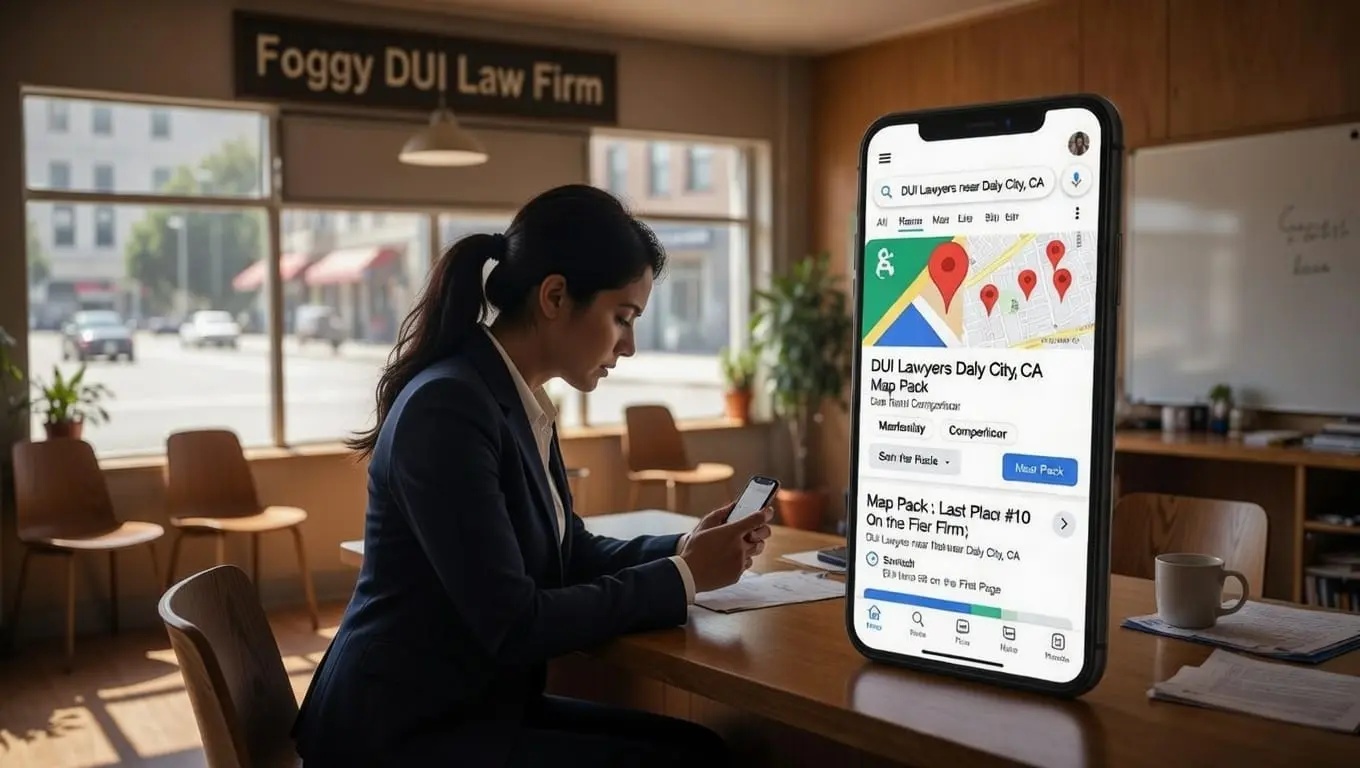


Local SEO 2026 has shifted hard. The landscape of Local SEO 2026 has shifted beneath our feet. Standing still? That’s moving backward in the City by the Bay.
I’ve been in the trenches: 3 years grinding to 25 paid web designs, then bam – 4 months to my first 3 SEO clients. Things accelerate when you level up delivery, sustain relationships, and lead better (even with the uncomfortable growth parts). This post pulls from my journey and what’s working now – actionable steps to fix stagnant visibility and adapt to AI-driven changes without the fluff.
The Evolution of Local SEO Trends: Why 2026 Hits Different for Bay Area Brands
2026 feels like an AI-local merger on steroids. We have AI-billboards up right now in Frisco that say “Let Him Coooooook”, Salesforce HQ whispering more agentic features for SMBs, and search getting predictive – Google (and Gemini) anticipates needs from your location, schedule, behavior. No more scrolling blue links; it’s the “predictive layer” integrated into glasses, autonomous cars on Market Street, or next-gen laptops ditching Chrome for Gemini.
Big shift: Traditional search engine results pages (SERPS) declines in favor of zero-click answers (Google’s AI Overviews). Google’s still the champion for SMBs sending 400x the volume ChatGPT traffic sent their way. It’s odd- in a world where more tools and info are getting democratized (like free AI web developers & designers), the algorithms to get visibilty/monetization are changing foundationally at the same time. Goalposts are moving: base layers stay the same (website, citations, real signals), but upper levels and boss levels have completely evolved with LLMs.
My take? Real-world signals win. Build a digital footprint that’s fuel for localized LLMs. Personal Brands will take the forefront in a world where Ai slop is rampant. Optimize your personal branding and your team’s to be the umbrella for your business brand. People love people.
I’ve been grinding through this shift myself. Started with a scrappy 1 man army mindset – gaming Reddit with tools housing dozens of warmed-up accounts for karma and positive mentions, link building, scouring black hat and whitehat forums, aggressive outreach, all that raw hustle.
Now I’m building a closed, automated outreach engine: repeatable processes, sales team online to handle the incoming leads without dropping balls. It’s paying off – pushing my site out of page 2-3 no-man’s-land toward consistent page 1 spots. Consistently giving us new case studies to share, and more folks to help rank higher. My goal for 2026? Keep hitting milestones and share the real updates here as I go. Being an SEO enthusiast in SF means staying ahead while delivering steady results for Bay Area businesses – no smoke, just consistent wins.

Schema Markup in SEO 2026: The Ongoing Debate and Your Easy Ranking Edge
Schema’s debated, but if it massively impacts Google job listings (still huge), it’s a generalized ranking factor. Google could drop more data-parsing anytime & schema preps you.
Big win: Easy for non-devs. Use Rank Math on WordPress – watch a few videos, install, activate. Plug-and-play for LocalBusiness schema. Ties into AI Overviews, boosts entity authority without hassle.
Step-by-step: Add to site, test in Google’s Rich Results, watch visibility climb. Not a silver bullet, but foundational in evolving algorithms- low effort, high signal.
Reviews as the New Kingpin of Local SEO 2026: Triage, Syndication, and Sentiment Plays for SF Wins
Reviews are more important than ever in 2026. Google and LLMs use them heavily for trust, local pack rankings, AI summaries, and zero-click visibility. Positive, recent reviews help Bay Area startups and service businesses show up higher and convert searchers online. Listings with strong sentiment outperform ones without – it’s basic trust math.
Don’t chase volume blindly. Maintain positive sentiment by triaging smartly: low-tier or negative reviews go to a private form or landing page for quick resolution (fix the issue, often turn it positive later). High-tier reviews? Push them straight to Google for max impact – easy links, QR codes, or direct asks.
Syndication tools are rising (great for ecommerce handling thousands), but for most SF SMBs, stick with Google. Unless your a Saas, build those TrustPilot reviews asap. Google dominates local volume, Maps integration, and direct traffic.

Ditching the ‘Best CMS’ Myth in Local SEO Trends: Why Layout Basics and AI Tools Rule 2026
There is no single best CMS in 2026. WordPress with its new AI tools, Webflow, and Wix are all solid options for local SEO. The real decision comes down to strong foundations plus what actually fits your team. For most Bay Area businesses I see, WordPress still wins because of its flexibility, huge plugin ecosystem, and how easily it handles schema, speed tweaks, and content updates.
Layouts remain the greatest of all time. Follow a simple checklist every time: clean page structure, keyword-friendly URLs, smart variations in headings and copy. Hire a good copywriter if you can. In this sea of AI-generated garbage, clear and actionable content stands out. Make it educational or entertaining so people actually read, share, and bookmark it. That is how you win in the 0-click world where people need quick value before they ever click through.
The market is flooded with mediocre AI content right now. The way to cut through is to create stuff that feels human and useful. Your personal story is your biggest moat. Lived experience is intellectual property nobody can copy. Share it honestly to build trust and gain a real foothold. Once traffic starts coming, make sure you have a backend monetization system ready so the visits turn into revenue instead of just vanity metrics.
This approach fixes the low-traffic trap for Bay Area startups and service businesses. Nail the basics, keep content human, leverage your own journey, and the rest starts to compound.
Personal Branding Power-Up: Consistent Online Vibes as Major SEO 2026 Factor
Corporate branding feels dead in 2026. People crave real humans behind the business. They want to connect with actual faces, stories, and personalities instead of polished logos and generic messaging. The shift is clear. Customers trust individuals more than faceless companies these days. Check your IG or TikTok feed for proof, you don’t go death scroll Nike, do you?
Build personal brands for everyone on your team at whatever capacity makes sense for them. Not everyone needs to be a content machine. Some contribute lightly while others go deeper. The key is consistency across the board.
Create uniform online vibes with one strong bio, a short slogan, a concise description, and the same professional headshot used everywhere. Put it on LinkedIn, X, Instagram, company site banners, Google Business Profile posts, everywhere that matters.
Why bother? All those profiles and mentions create social link juice that feeds directly into ranking signals. Google and LLMs notice consistent, branded presences across the web. It amplifies your citations and real-world signals in the ongoing competition between search engines and large language models.
A team with aligned, human online presence – stands out massively for Bay Area SEO. It turns employees into quiet authority builders. In a crowded San Francisco market full of startups and service businesses fighting for local visibility, that consistent human layer becomes a serious competitive edge. Customers choose people they feel they know.

Authority Building in an AI World: Citations, Cold Outreach, and Parasite SEO Tactics
Citations and links remain king in 2026. They are still the backbone for local authority, especially as Google and LLMs compete for signals. Google continues to dominate SMB traffic volume by a massive margin over ChatGPT and other AI tools. That means consistent, high-quality signals matter more than ever. Focus on building clean directory listings, earning local links from relevant Bay Area sites, and keeping NAP (name, address, phone) uniform everywhere. These create the real-world proof that both Google and AI models trust and reference.
Cold emailing for guest posts is still very much in play. It works when done right. It’s difficult without being an incumbent or knowing folks in the industry. Target sites that already rank well in your niche or local space. A solid system turns outreach into repeatable authority gains without burning bridges.
Parasite SEO deserves attention if you want quick signals. The classic move is gaming Reddit with warmed accounts that have built-up karma. You post positive, genuine feedback in relevant threads so your brand gets natural mentions. The tools my team use internally make this easier: they scan for brand or key terms, find the right threads, and let you post from credible accounts without manual hunting. Reach out if you want special pricing on that setup.
Other parasite spots include HubSpot pages and Perplexity, which indexed fast in 2025 and still carry weight. The list of platforms keeps growing. Black hat communities are full of shiny new tools, but white hat players win long-term by leaning on years of real publication foundations.
The ethical line is clear: leverage these for legitimate social signals without spamming or faking content. Done right, parasite tactics add quick credibility and mentions that feed back into Google and LLM references. In the Bay Area’s competitive scene, combining strong citations, smart outreach, and careful parasite plays builds authority that low-traffic sites desperately need.
Google’s roadmap? I’ll dig soon- enthusiast here, building up my business too!

FAQs: Quick Answers on Local SEO Questions
- What is a SERP, and why does it matter in 2026?
SERP just means Search Engine Results Page—the list you see when you Google something. In 2026 it’s shrinking fast. AI answers and zero-click features (like summaries, maps, or quick info boxes) steal most of the clicks before people even visit websites. For local businesses, winning means getting featured in those AI summaries, not just ranking #1. - What is parasite SEO, and how can it help low-traffic sites?
Parasite SEO is when you post on high-authority platforms (Reddit, HubSpot pages, Perplexity) to borrow their trust and get quick visibility. Your content shows up in search results or AI answers without needing your own site to rank. It’s great for low-traffic Bay Area businesses because it creates fast signals and mentions. I have tools that make Reddit gaming ethical and easy—reach out if you want special pricing. - What is domain authority?
Domain authority (DA) is a score (usually 1–100) that estimates how strong and trustworthy your website looks to Google. Higher DA means better chances of ranking and getting links. It’s not an official Google number, as it can be gamed – but it’s a useful way to see if your site has real power. - What are citations in local SEO?
Citations are online mentions of your business name, address, and phone number (NAP) on directories, review sites, local blogs, etc. Consistent citations tell Google your business is real and local. They’re still a top factor for map pack rankings and AI trust in 2026—get them clean and numerous. - What are the main Google ranking factors for local SEO in 2026?
The big ones are still proximity (how close you are to the searcher), relevance (matching search intent), and prominence (reviews, citations, links, social signals). Now add AI-friendly stuff: schema markup, fresh content, positive sentiment, and real-world signals that LLMs can reference. Base layers haven’t changed much, but the upper levels demand more context and trust. - What is cold emailing for guest posting?
Cold emailing is reaching out to website owners you don’t know, politely asking if they’d publish your article (guest post) on their site. You offer value (helpful content with a link back to yours). It’s still effective in 2026 for building authority, links, and signals without paying for ads. - Why does more online traffic matter for local SEO in 2026?
More traffic isn’t just vanity—it’s proof your business is active and relevant. Google watches engagement signals (clicks, time on site, shares) to decide if you’re worth showing higher. In an AI-first world, traffic from organic search, social mentions, and direct visits feeds back into better rankings, stronger AI references, and more foot traffic in SF.
Implement these, transform from low-traffic struggle to dominant Bay Area presence. Let’s chat- JWilliams Designs here for SF SEO help. What’s next on your list?